EWK Samurai Classic Home

Category

Culture & Philosophy

17 articles

The Art of Not Striking: How the Samurai Concept of Ma Is Changing the Way Americans Train

The Art of Not Striking: How the Samurai Concept of Ma Is Changing the Way Americans Train

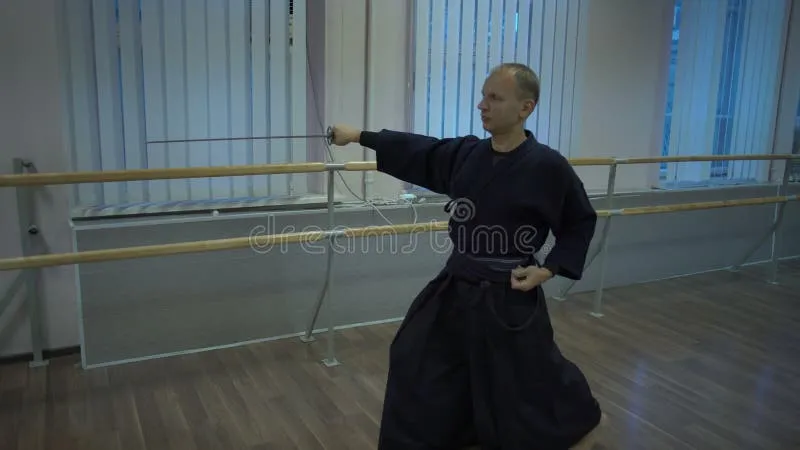
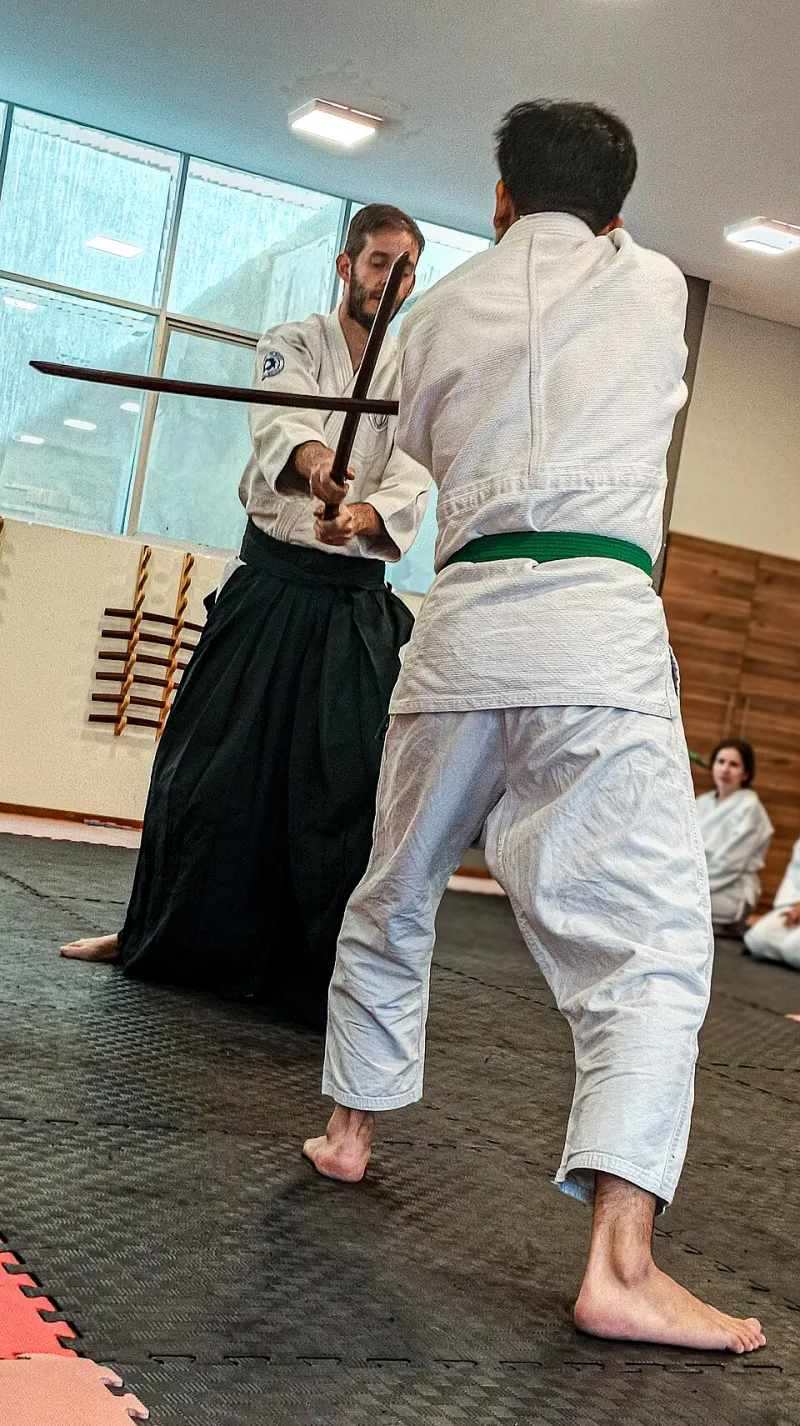
Long before sports science coined the term 'overtraining syndrome,' samurai tradition encoded the wisdom of strategic stillness directly into the philosophy of combat. American martial artists are now rediscovering that the pause between strikes is not weakness — it is the discipline itself. The ancient concept of ma is quietly dismantling the relentless push culture that has defined US athletic training for decades.
Honorable Defeat: What a Four-Century-Old Japanese Blade Teaches Americans About the Wisdom of Endurance Over Victory

Honorable Defeat: What a Four-Century-Old Japanese Blade Teaches Americans About the Wisdom of Endurance Over Victory

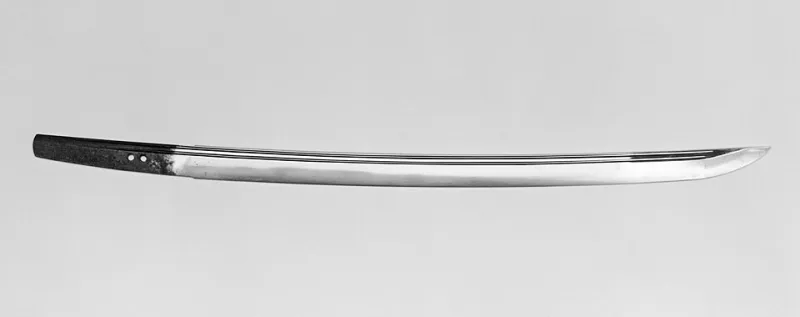
In a culture that venerates the winner's podium, a weathered samurai sword carrying four hundred years of damage and survival offers a radically different proposition: that endurance, not triumph, is the truest measure of strength. For American audiences steeped in the mythology of invincibility, the philosophy encoded in such a blade may be the most challenging — and necessary — lesson the warrior tradition has yet to offer.

Cracked Glaze, Crooked Grain: How Wabi-Sabi Is Quietly Revolutionizing American Craft

Cracked Glaze, Crooked Grain: How Wabi-Sabi Is Quietly Revolutionizing American Craft

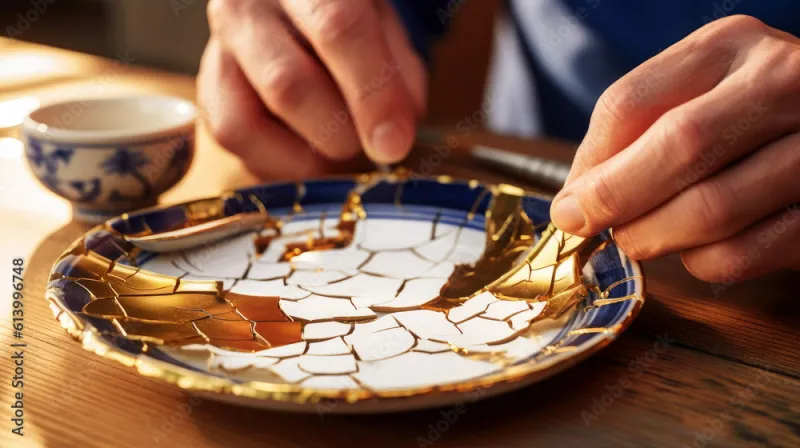
Across American studios and dojos alike, a growing number of craftspeople are deliberately stepping away from the polished and the precise. Rooted in a Japanese aesthetic philosophy centuries old, wabi-sabi offers not a retreat from excellence but a deeper understanding of what excellence truly means. For a culture saturated with filtered images and manufactured perfection, its arrival feels less like a trend and more like a reckoning.

Worn by the Way: Why Japanese Martial Tradition Honors the Broken Body America Fears

Worn by the Way: Why Japanese Martial Tradition Honors the Broken Body America Fears

In Japanese martial tradition, a scarred body is not evidence of failure but a testament to genuine pursuit. As American wellness culture builds ever-higher walls against injury, a growing number of sensei who have trained on both continents are asking whether the obsession with prevention is quietly hollowing out the soul of martial practice in the United States.

The Transmission That Cannot Be Downloaded: Why the Sensei-Student Relationship Endures in an Era of Digital Shortcuts

The Transmission That Cannot Be Downloaded: Why the Sensei-Student Relationship Endures in an Era of Digital Shortcuts

As online tutorials and influencer-driven content promise martial arts mastery at the touch of a screen, something ancient and irreplaceable is quietly being tested. The bond between sensei and student — forged through years of shared hardship, correction, and trust — carries a depth that no algorithm can replicate. EWK Samurai Classic examines what authentic transmission of martial knowledge truly demands, and what is genuinely at stake when that covenant is abandoned.

The Whetstone as Teacher: How the Ritual of Blade Care Is Becoming America's Most Unexpected Mindfulness Practice

The Whetstone as Teacher: How the Ritual of Blade Care Is Becoming America's Most Unexpected Mindfulness Practice

Across the United States, a quiet movement is unfolding in garages, dedicated workshops, and spare bedrooms where Japanese sword collectors are discovering profound mental stillness not on a cushion, but at the edge of a whetstone. The centuries-old practice of katana maintenance — once the exclusive province of Japanese polishing masters — is revealing itself as a discipline with remarkable parallels to formal meditation. What begins as an obligation of ownership is, for many, becoming the most

The Empty Dojo Within: How Solitary Practice Is Reshaping the American Martial Artist's Journey

The Empty Dojo Within: How Solitary Practice Is Reshaping the American Martial Artist's Journey

Across America, a growing number of martial artists are stepping away from structured dojo environments to pursue mastery in deliberate isolation — alone in garages, backyards, and spare rooms. Whether this solitary path honors the samurai tradition or quietly dismantles its communal soul is a question that divides practitioners, scholars, and teachers alike. EWK Samurai Classic examines the paradox at the heart of training alone in a discipline that was never meant to be practiced that way.

Scrolling Toward the Dojo: How Gen Z Is Absorbing Bushido Through Screens, Feeds, and Unexpected Digital Corners

Scrolling Toward the Dojo: How Gen Z Is Absorbing Bushido Through Screens, Feeds, and Unexpected Digital Corners

Across TikTok feeds, anime streaming queues, and gaming communities, a generation of young Americans is encountering the warrior philosophy of feudal Japan — often without a single history textbook in sight. The question is not simply whether this exposure is authentic, but whether it carries enough of the original moral weight to matter. EWK Samurai Classic examines what Gen Z is actually absorbing, and what the tradition itself might make of its newest inheritors.

When Algorithms Forge Steel: The Quiet Crisis of Machine-Made Katana in an Age of Artificial Intelligence

When Algorithms Forge Steel: The Quiet Crisis of Machine-Made Katana in an Age of Artificial Intelligence

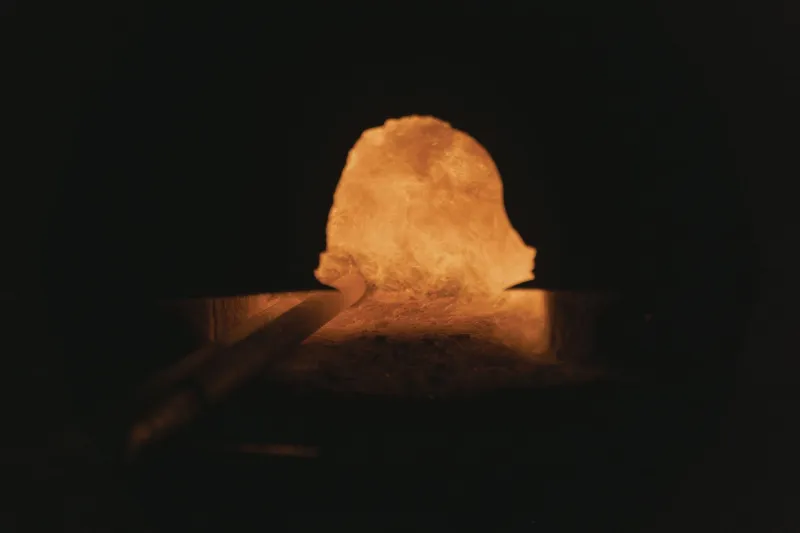
Across American collector communities, a troubling question has begun to surface: can artificial intelligence and 3D printing genuinely replicate what centuries of human intuition have produced in the forge? As technologically-produced blades proliferate in the marketplace, craftspeople and serious collectors alike are confronting the uncomfortable truth that certain forms of mastery resist digitization entirely.

Before the Factories Came: The Quiet Reverence Driving American Collectors Toward Feudal-Era Japanese Blades

Before the Factories Came: The Quiet Reverence Driving American Collectors Toward Feudal-Era Japanese Blades

Across the United States, a growing community of collectors and martial artists has turned its gaze toward Japanese swords forged before the Meiji Restoration of 1868 — blades conceived in an era when the sword was not merely a weapon but a living expression of its maker's soul. Understanding why these pre-industrial pieces command such fierce devotion requires confronting questions about authenticity, craft, and what it means to hold history in one's hands.

Masterless and Free: What the Ronin's Solitary Path Reveals About America's Gig Economy

Masterless and Free: What the Ronin's Solitary Path Reveals About America's Gig Economy

Long before the term 'freelancer' entered the American lexicon, feudal Japan had already produced a figure who embodied the tensions of working outside institutional loyalty — the ronin. Examining the philosophical underpinnings of the masterless samurai reveals striking parallels with the modern independent contractor, from the burden of self-directed purpose to the relentless cultivation of personal skill. Understanding this ancient archetype may offer today's gig workers something no app or p

Steel Without Secrets: Inside America's Obsession With Acquiring Genuine Japanese Swords

Steel Without Secrets: Inside America's Obsession With Acquiring Genuine Japanese Swords

The American market for authentic Japanese swords has grown into a sophisticated and legally complex arena where passionate collectors, martial artists, and opportunistic dealers collide. Distinguishing a centuries-old nihonto from a mass-produced replica requires far more than a sharp eye — it demands historical literacy, legal awareness, and a considered ethical conscience. This investigation explores what it truly means to own a piece of Japan's most revered cultural inheritance.

Outcasts, Outlaws, and Icons: The Uncomfortable Truth Behind Japan's Masterless Samurai

Outcasts, Outlaws, and Icons: The Uncomfortable Truth Behind Japan's Masterless Samurai

The ronin occupies a hallowed place in Western imagination — a solitary swordsman drifting through feudal Japan, answerable to no one and bound only by his own code. But the historical record tells a far more complicated story, one of poverty, crime, and social disgrace that the romanticized lone-wolf archetype conveniently omits.

The Warrior's Boardroom: Ancient Bushido Principles That Are Reshaping Modern Corporate Leadership

The Warrior's Boardroom: Ancient Bushido Principles That Are Reshaping Modern Corporate Leadership

The seven tenets of Bushido — forged on feudal Japanese battlefields centuries ago — are finding surprising new relevance inside America's most competitive corporate environments. From Silicon Valley startups to Fortune 500 boardrooms, a growing number of executives are turning to samurai philosophy not as novelty, but as a rigorous framework for building cultures defined by integrity, accountability, and purpose. The ancient way of the warrior, it turns out, may hold the blueprint for the moder